
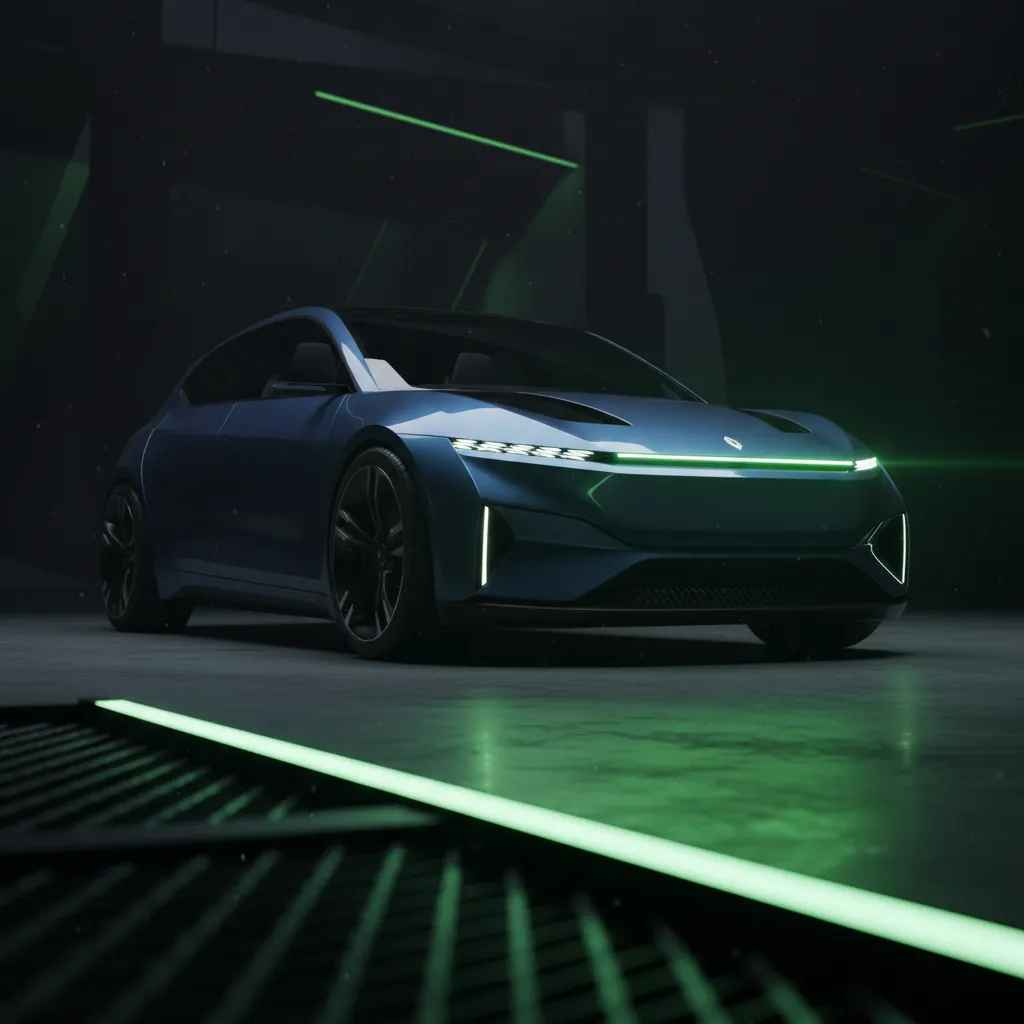
Major manufacturers can invest billions into developing custom electric platforms, but low-volume producers and heritage car specialists operate under completely different constraints. They need electric solutions that deliver world-class performance and reliability without the massive development costs and timelines that come with ground-up engineering.
Modular EV powertrains solve this problem by offering proven, adaptable electric systems that can be tailored. For companies building limited production runs, restoring classics, or creating bespoke vehicles, modular systems from Powered by Everrati provide a practical path to vehicle electrification that maintains a vehicle’s character while meeting modern performance standards.
The Challenge of Electrifying Low-Volume and Heritage Vehicles
Low-volume manufacturers and heritage car specialists face obstacles that mainstream automakers don’t encounter:
- Limited development budgets – Production runs rarely exceed a few hundred units per year, making it impossible to spread development costs across enough vehicles to justify ground-up EV engineering.
- Unique structural characteristics – Heritage vehicles weren’t designed with electric powertrains in mind, so fitting batteries, motors, and cooling systems requires creative engineering that still respects the original design.
- Regulatory compliance – Safety standards, crash testing requirements, and certifications all demand extensive validation work that’s costly and time-consuming for small manufacturers.
- Preserving authenticity – The goal isn’t just making a car move with electric power but creating a driving experience that honors the vehicle’s heritage while delivering modern reliability.
These are challenges, but they certainly aren’t insurmountable.
What Is a Modular EV Powertrain?
A modular EV powertrain is an electric propulsion system designed to adapt to different vehicle platforms without requiring development from the ground up. Think of it as a well-engineered foundation that can be configured to match specific vehicle requirements.
The key components include:
- Scalable battery packs – Sized for available space and range needs
- Electric motors – Optimized for different power outputs and mounting configurations
- Power Distribution– Manage energy flow and vehicle dynamics
- Thermal management – Keep everything at optimal operating temperatures
- Control software – Tunes the entire system for different driving characteristics
Unlike one-size-fits-all solutions, truly modular systems offer flexibility in component selection and integration while maintaining engineering rigor and testing validation. It extends beyond picking parts from a catalog to include engineering support, documentation, and proven designs that reduce risk.
Preserving Character While Delivering Modern Performance
One of the biggest concerns when electrifying heritage or specialty vehicles is losing the character that makes them special. Modular EV powertrains address this by allowing careful tuning of power delivery, throttle response, and driving dynamics to match each vehicle’s personality.
A lightweight sports car needs instant, aggressive throttle response. A luxury grand tourer requires smooth, refined acceleration that emphasizes comfort. A rugged off-road vehicle focuses on controlled low-speed torque on challenging terrain.
Modular systems make these different personalities possible through software calibration and component selection. Engineers can dial in the exact driving feel that suits each vehicle without redesigning the fundamental powertrain. The result is electric vehicles that feel authentic to their heritage rather than generic EVs wearing classic bodywork.
Faster Development Cycles Without Compromising Engineering Rigor
Time to market is critical for low-volume manufacturers. Every month spent in development is a month without revenue, and delayed launches mean missed opportunities.
Modular EV powertrains dramatically compress development timelines by starting with proven components. Instead of spending years developing battery chemistries, motor designs, and control systems from scratch, manufacturers can focus on vehicle-specific integration and brand differentiation.
A typical ground-up EV development might take four to five years. Using modular systems, that timeline can shrink to 12 to 18 months for many applications, since the core powertrain components come pre-validated. This speed doesn’t mean cutting corners – the foundation is built on rigorous engineering, but that work has already been completed.
Scalable EV Powertrain Solutions for Low-Volume OEMs
Electric powertrain solutions for low-volume OEMs need to work across different vehicle types and production volumes without massive upfront investment for each new model.
Scalability works in multiple dimensions:
- Battery capacity – Adjusted from 40 kWh and up for compact models to 90 kWh or more for larger touring vehicles
- Motor power – Selected based on performance targets, from 200 horsepower for lightweight roadsters to 700+ horsepower for high-performance GTs
- Production volumes – The same components and integration approaches work whether building 20 units per year or 200
Cost efficiency improves with volume, but even at low production numbers, modular systems offer better economics than custom development.
Safety, Compliance, and Validation at Low Volumes
Meeting safety standards presents major challenges for low-volume manufacturers. Crash testing, battery safety validation, and electromagnetic compatibility testing all require significant investment.
Modular powertrains from Powered by Everrati come with extensive testing and validation already completed. Battery systems include proven thermal management that meets international Reg100.01 standards. Power electronics have undergone EMC testing and compliance. Integration best practices have been validated across multiple platforms.
This pre-validation doesn’t eliminate vehicle-specific testing, but it dramatically reduces the scope and cost. Manufacturers can focus validation efforts on vehicle-level integration rather than testing every component from scratch.
Why Modular EV Powertrains Are the Future of Heritage Electrification
Heritage car electrification is one of the most exciting opportunities in the automotive world. Classic vehicles gain new life with modern reliability, performance, and sustainability while preserving their design heritage and cultural significance.
Modular powertrains make this transformation practical and economically viable. Instead of each restoration shop or specialty manufacturer reinventing the wheel, they can leverage proven electric systems refined across multiple projects.
The future of heritage electrification isn’t about forcing every classic car into the same generic EV template. It’s about having flexible, proven solutions that preserve the unique character of each vehicle while delivering the performance and reliability that modern owners expect.
Powered by Everrati: A Complete Modular EV Powertrain Partner
We understand the unique challenges facing low-volume manufacturers and heritage vehicle specialists. That’s why Powered by Everrati offers complete modular EV powertrain solutions designed specifically for your needs.
Our systems combine proven components with flexible approaches for integration that adapt to your specific vehicle platform. We provide the engineering support, documentation, and validation that let you move from concept to production quickly and confidently.
Whether you’re electrifying classic sports cars, building limited-run luxury vehicles, or creating bespoke electric restomods, we have the powertrain solutions and technical expertise to support your vision.
Ready to explore how modular electric powertrains can transform your project? Contact Powered by Everrati today to discuss your requirements and discover how we can help bring your electric vision to life.